How Long Does It Take to Learn a Language?
How long does it take to learn a language? This article breaks down realistic timelines based on hours, consistency, and your language background. Clear, data-driven answers.

The only way to answer this question seriously is to define what “learning a language” actually means, and to understand how learning time really works.
What “Learning a Language” Means
Language ability is not binary. It progresses through levels.
Using the Common European Framework of Reference for Languages, learners are typically classified as:
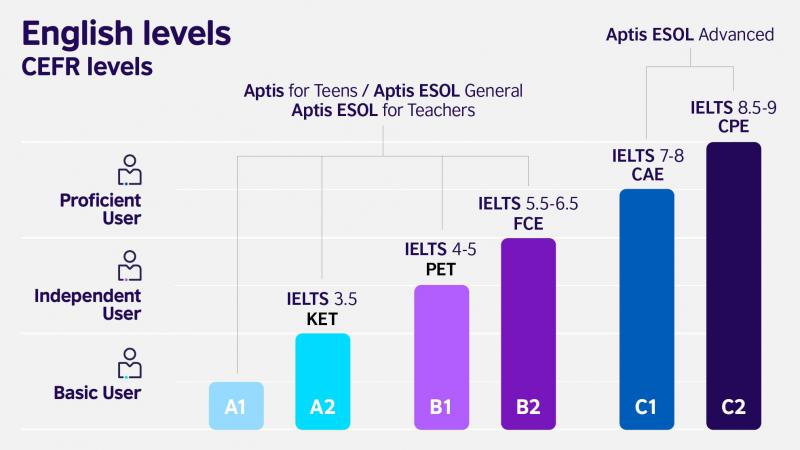
- A1 and A2: basic communication
- B1: conversational independence
- B2: comfortable fluency
- C1 and C2: advanced and near native
For most people, the real goal is not perfection.
Reaching B1 or B2 is already enough to use the language in real life.
How Many Hours Does It Take
Research from institutions like the Foreign Service Institute shows that languages require very different amounts of time depending on their difficulty.
For an English speaker:
- French or Spanish: around 600 to 750 hours
- German: around 900 hours
- Russian: around 1100 hours
- Japanese, Arabic or Chinese: 2200+ hours
These estimates correspond roughly to reaching a strong, independent level.
Why Learning Time Is Not Fixed
The total number of hours is only part of the equation.
What really changes your timeline is your background.
If you already speak a similar language, progress is significantly faster.
If the language is very different, everything takes longer.
This is due to differences in vocabulary, grammar, and structure between languages.
A Realistic Timeline
If you study around one hour per day, a general pattern looks like this.
For an easier language like French or Spanish, basic communication can be reached within a few months. Becoming independent usually takes close to a year, while feeling comfortable in most situations often requires one to one and a half years of consistent practice.
For more distant languages such as Japanese or Arabic, the same progression takes much longer, often several years to reach a comparable level.
The Only Formula That Matters
Time required = total hours ÷ daily study time
A language that requires around 700 hours will take about two years at one hour per day, or about one year at two hours per day.
This number does not change. Only the speed at which you accumulate those hours does.
Learning a language is not about a fixed number of months.
It depends on how many hours you invest, how consistent you are, and how close the language is to one you already know.
Once you understand that, your timeline becomes predictable.
The real challenge is not the difficulty of the language, but your ability to stay consistent over time.
Tools like Lokia are designed to help you do exactly that, by making daily practice simple and sustainable.